
STM'27
International Conference on
Scanning Tunneling Microscopy
Defining the next STM frontier.
20 - 24 September 2027
Stuttgart, Germany
Focus sessions
The STM'27 conference will be featuring sessions on various aspects of scanning probe microscopy.
Eigler Award

Honor excellence in doctoral research — recognizing outstanding contributions and celebrating the next generation that pushes the STM frontier.
Spins on Surfaces

Delve into the fascinating world of magnetic atoms and engineered spin structures — spin interactions, magnetic anisotropy, and coherence at the atomic scale.
Light-Matter Interaction

Uncover optical processes at the tunnel junction — from STM-induced luminescence and plasmon excitation to THz-coupled and light-driven STM.
On-Surface Chemistry

Discover chemical bonds forming and breaking one molecule at a time — STM-driven reactions, on-surface synthesis, and single-molecule imaging.
Quantum Materials
Explore the exotic phenomena emerging in quantum materials — from unconventional superconductors and topological matter to strongly correlated systems.
Novel Techniques

Shape the future of scanning probe microscopy with emerging techniques — multi-tip STM, sensor-functionalized probes, cryo-force microscopy, and beyond.
Registration
Registration is expected to open February 1st, 2027.

Invited Speakers

Milan Allan
University of Munich
(Germany)

Eva Andrei
Rutgers University
(USA)
Victor Brar
University of Wisconsin - Madison
(USA)
Juan Carlos Cuevas
Universidad Autónoma de Madrid (Spain)
Seamus Davis
University of Oxford
(England)
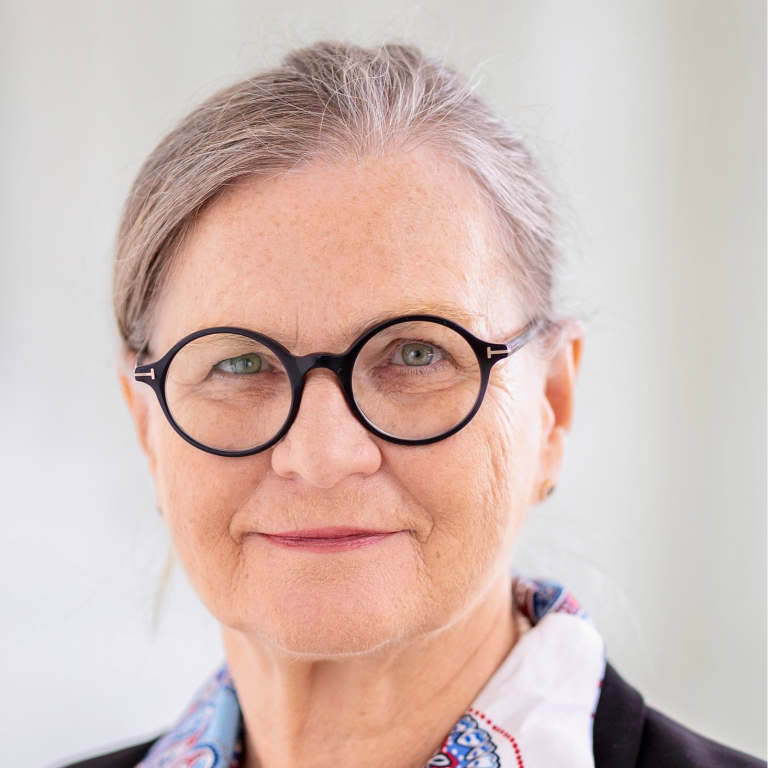
Ulrike Diebold
TU Wien
(Austria)
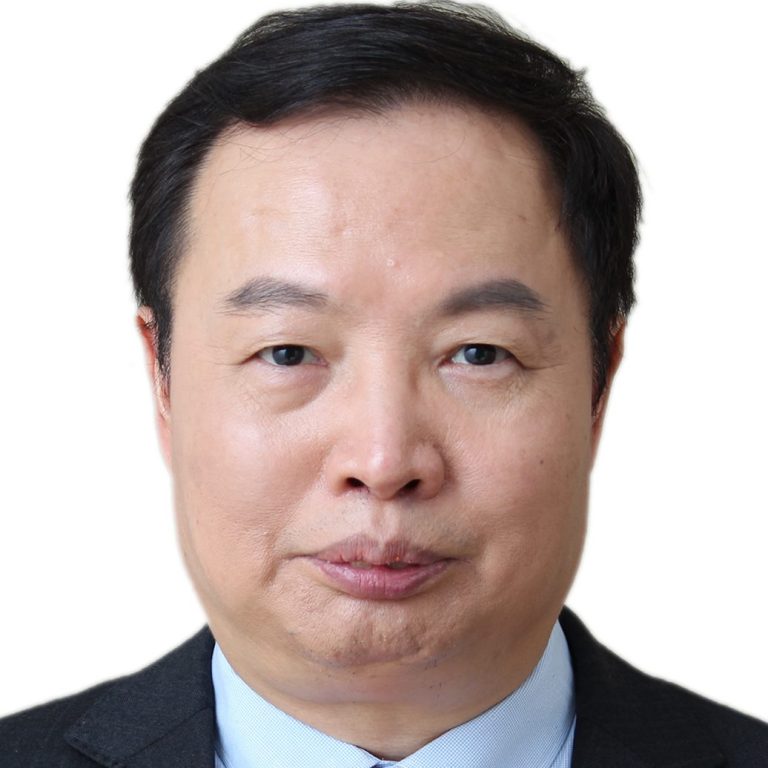
Zhen-Chao Dong
University of Science and Technology
(China)

Andreas Heinrich
IBS Center for Quantum Nanoscience
(South Korea)
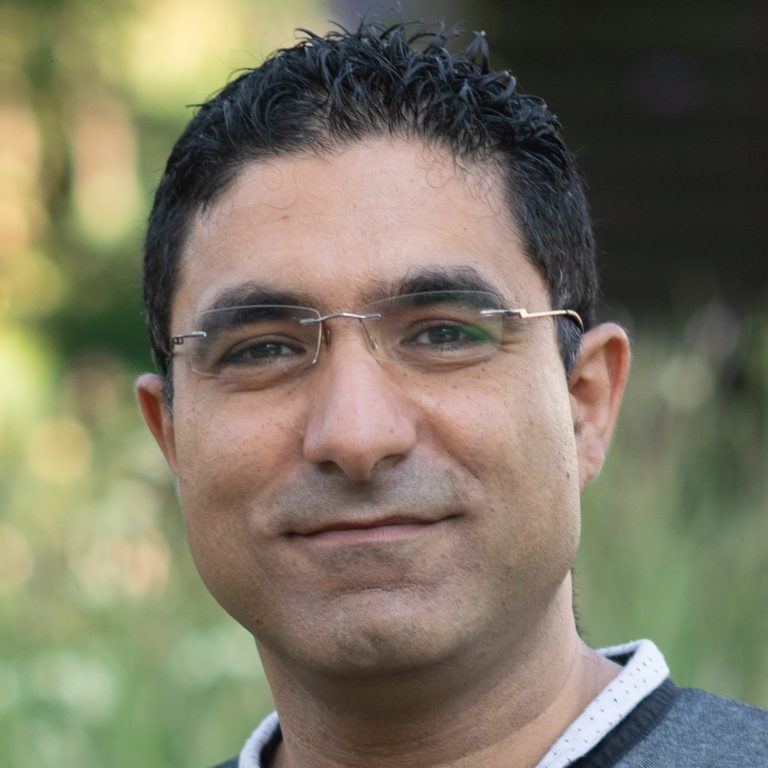
Shahal Ilani
Weizmann Institute of Science
(Israel)
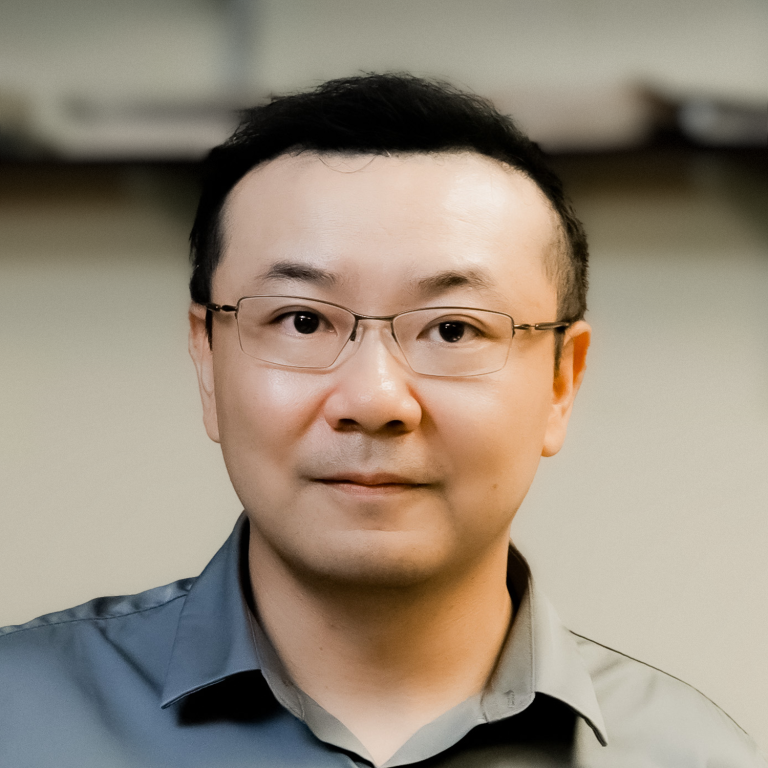
Nan Jiang
University of Illinois Chicago
(USA)
Ying Jiang
Peking University
(China)

Klaus Kern
Max Planck Institute for
Solid State Research
(Germany)

Laurent Limot
IPCMS Strasbourg
(France)

Francesca Moresco
Technische Universität Dresden
(Germany)
Jascha Repp
Universität Regensburg
(Germany)
Sven Rogge
University of New South Wales
(Australia)
Anna Roslawska
Max Planck Institute for
Solid State Research
(Germany)
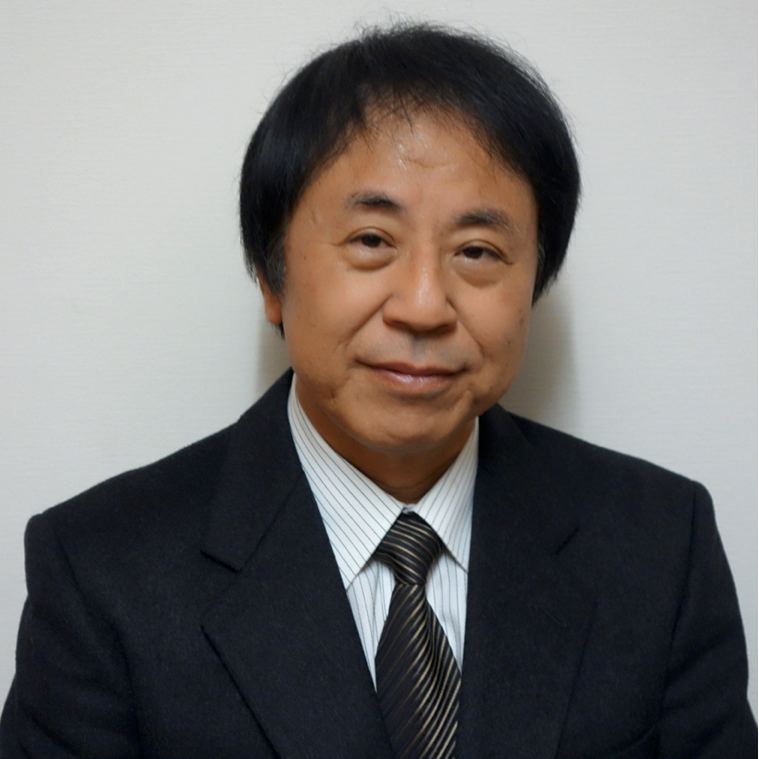
Hidemi Shigekawa
University of Tsukuba
(Japan)
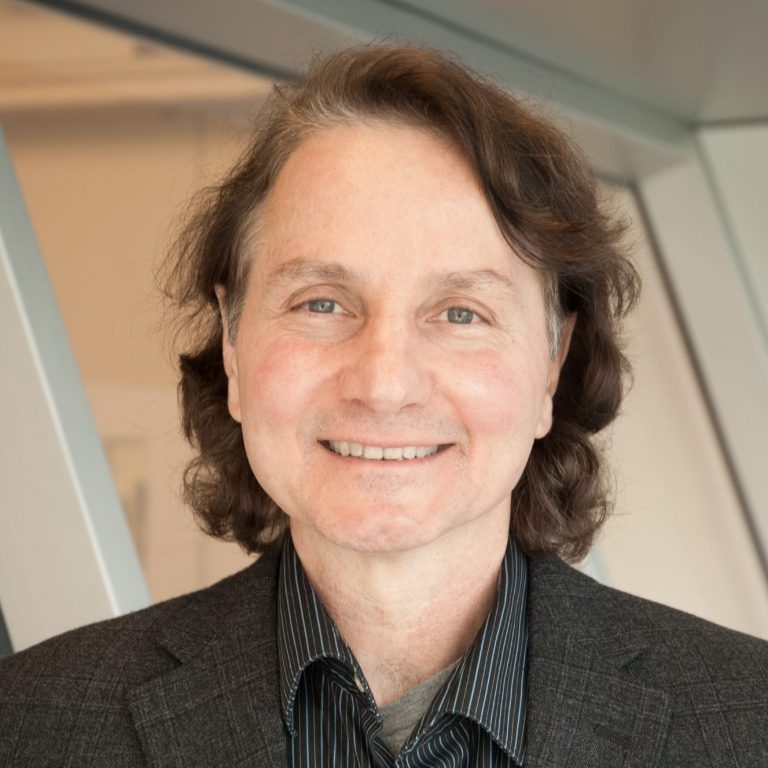
Joe Stroscio
NIST
(USA)
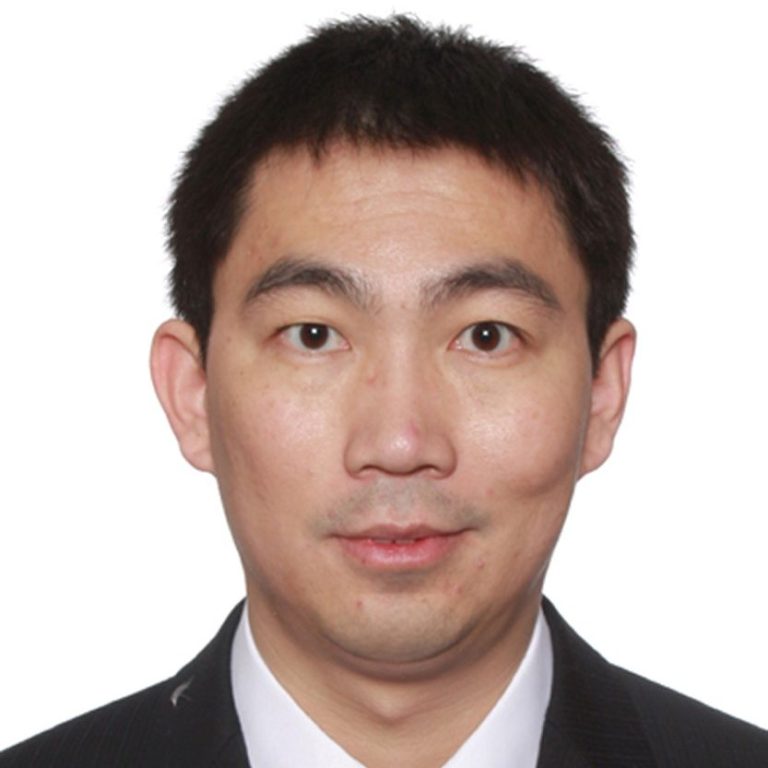
Jian Wang
Peking University
(China)
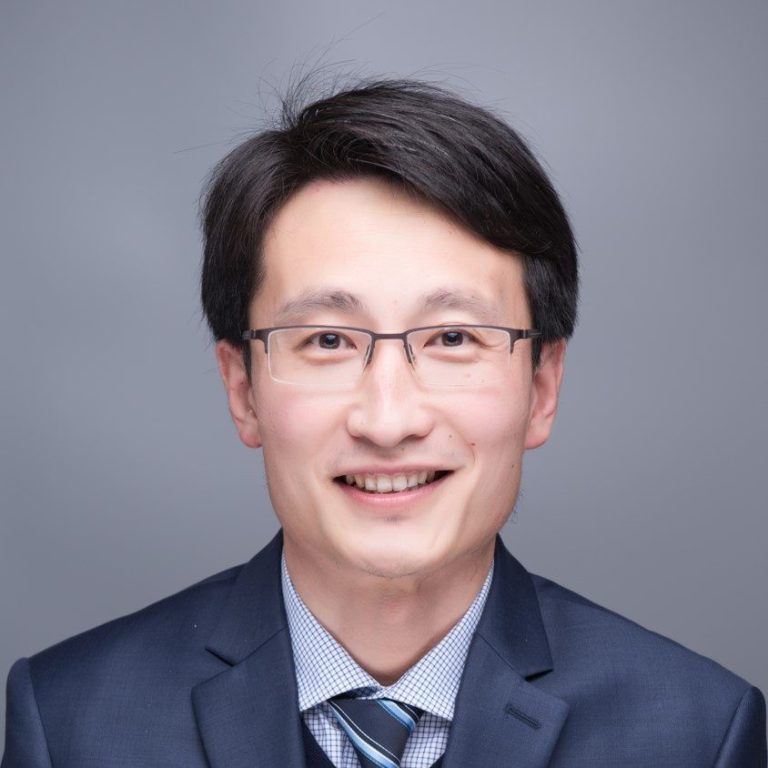
Shichao Yan
Shanghai Tech University
(China)
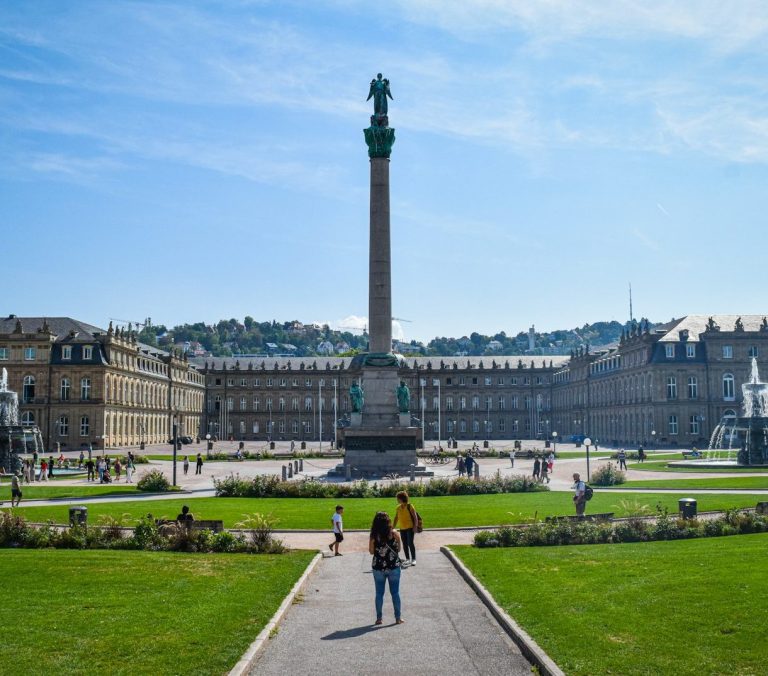
Stuttgart - The Venue
Where Innovation Meets Heritage
Experience cutting-edge science in one of Germany's premier technology hubs, renowned for its contributions to engineering, research, and innovation. Stuttgart stands as a global leader in technological advancement, ranking among Europe's top regions for patent applications and hosting world-renowned institutions including the Max Planck Society, German Aerospace Center, and leading universities.
The city holds legendary status as the birthplace of the automobile and headquarters to Mercedes-Benz and Porsche, two icons of automotive engineering excellence. Beyond its technological prowess, the state of Baden-Württemberg hosts seven UNESCO World Heritage Sites spanning 40,000 years of human history, from prehistoric Ice Age caves to modernist architectural masterpieces. Discover majestic castles including the world-famous Heidelberg Castle and romantic Lichtenstein Castle, known as the "fairytale castle of Württemberg," alongside the medieval Maulbronn Monastery, Europe's most completely preserved Cistercian complex.
Stuttgart offers the perfect blend of scientific innovation and cultural heritage, creating an inspiring environment where precision research meets timeless tradition.
Scanning Probe Epicenter
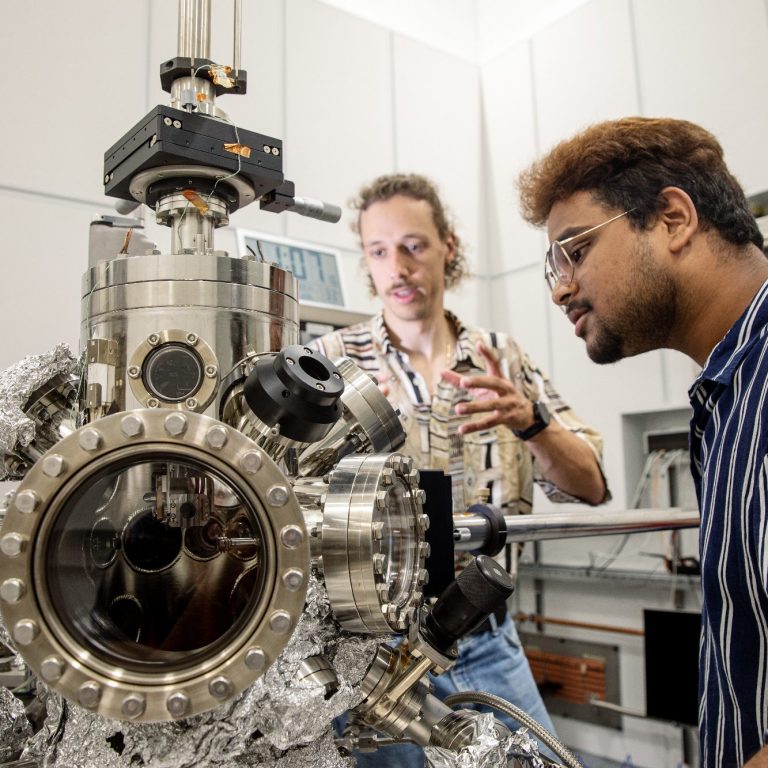
Stuttgart is a central hub for scanning tunneling microscopy, boasting one of the highest densities of scanning probe instruments in the world. More than 25 STM systems are in operation within a 75-kilometer radius of the city, forming a uniquely concentrated landscape for nanoscale research. The University of Stuttgart and the Max Planck Institute for Solid State Research anchor this activity in Stuttgart itself, making Stuttgart a perfect location for STM'27.
Organizing Committee
Conference Chairs
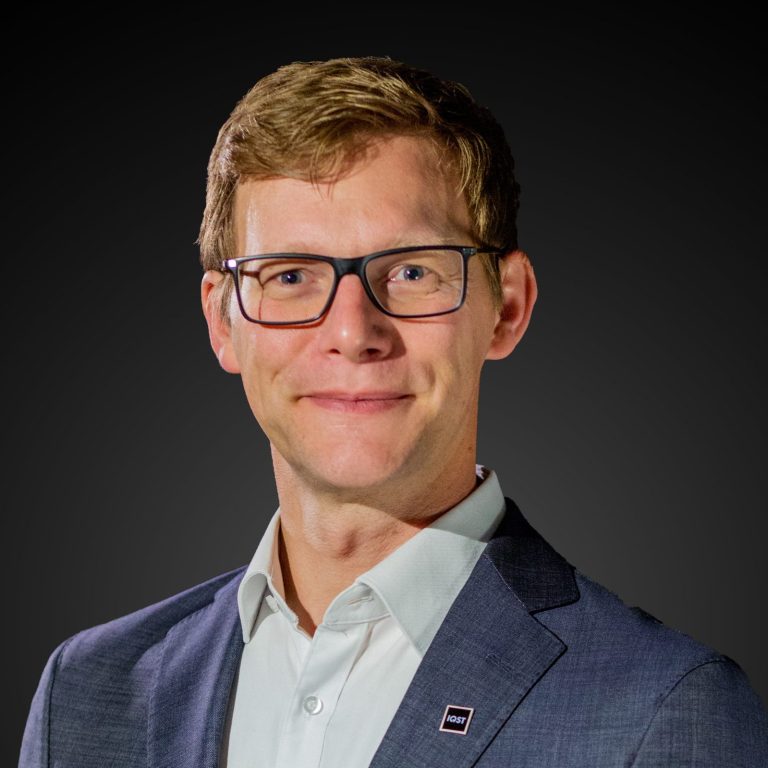
Sebastian Loth
University of Stuttgart
Institute for Functional Matter
and Quantum Technologies

Susanne Baumann
University of Stuttgart
Institute for Functional Matter
and Quantum Technologies
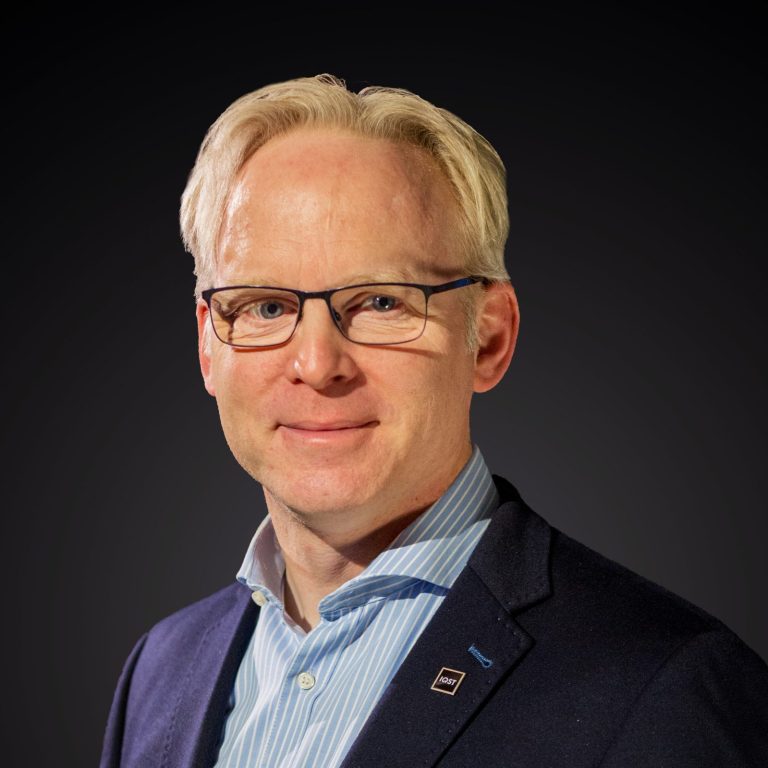
Christian Ast
Max Planck Institute
for Solid State Research
Stuttgart
Local Organizers
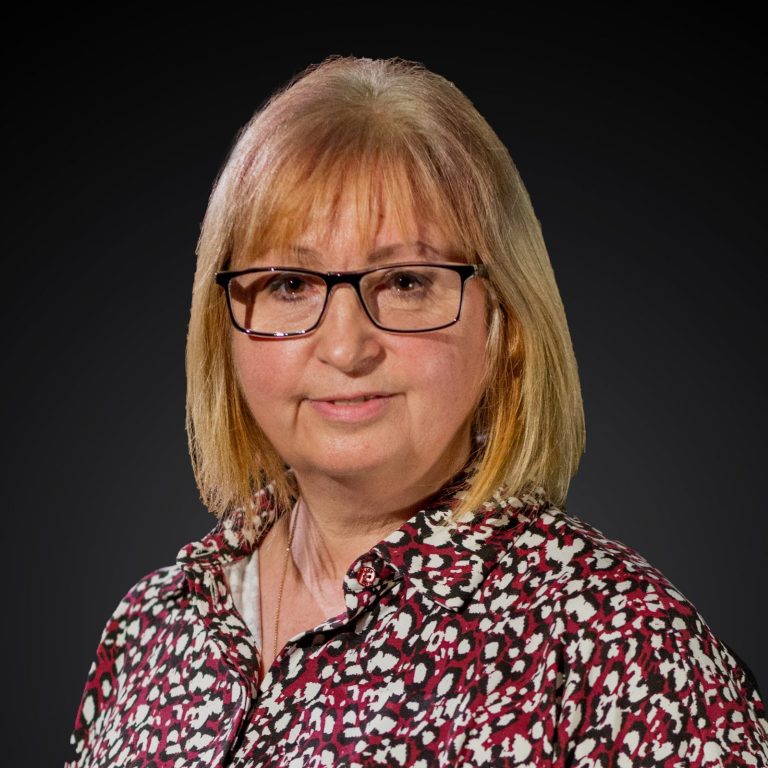
Ulrike Mergenthaler
University of Stuttgart
Institute for Functional Matter and Quantum Technologies
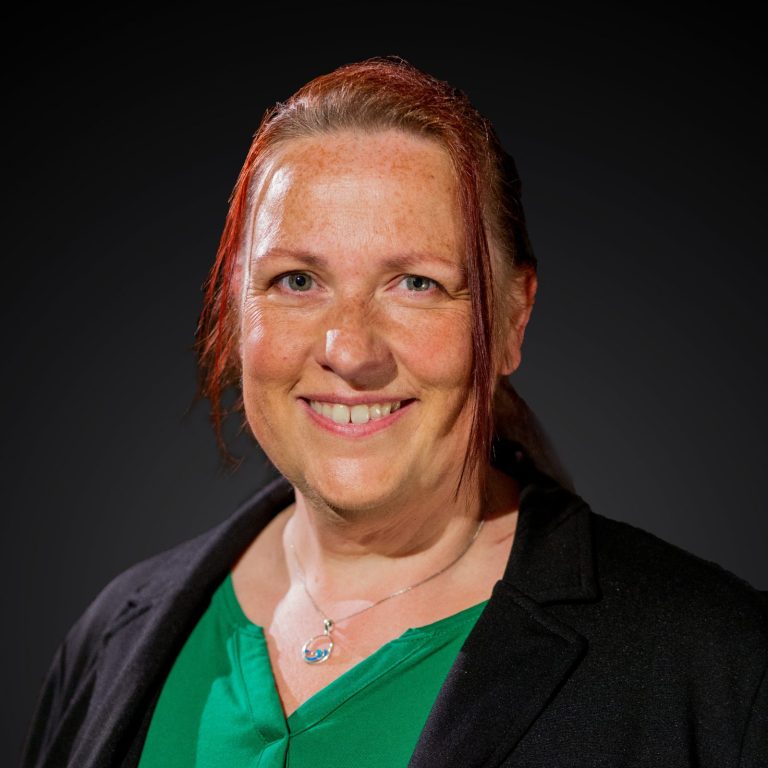
Sabine Ost
University of Stuttgart
Institute for Functional Matter and Quantum Technologies
Stay Informed
Sign up to receive updates about STM'27, including registration opening, abstract submission, and program announcements.

Why STM'27?
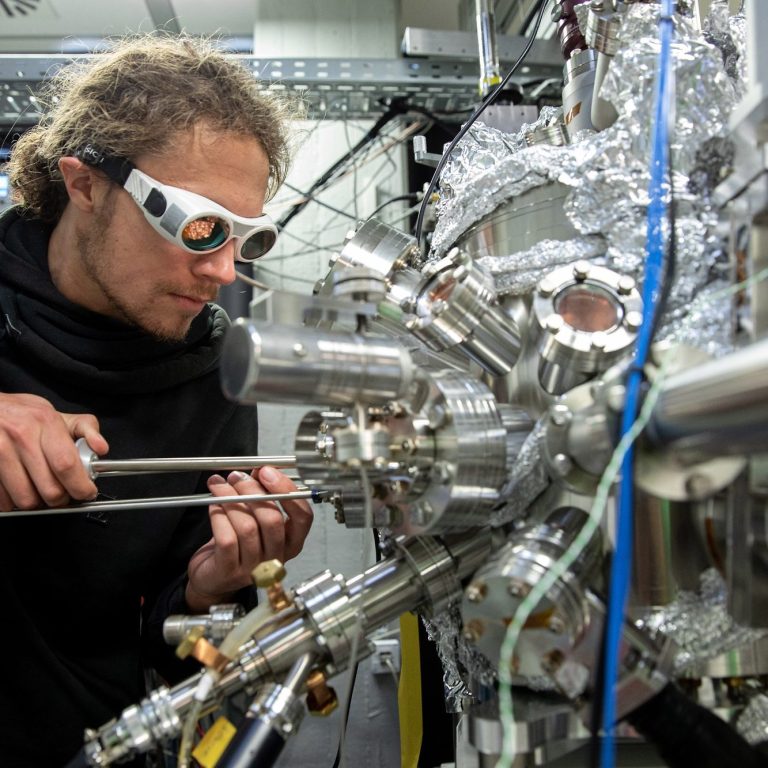
@Universität Stuttgart/Uli Regenscheit
World-Class Science
Stuttgart hosts more than 25 scanning probe instruments within a 75 km radius. STM'27 takes place at the heart of this global epicenter, bringing world-class research from across the field together on a single stage to push the next STM frontier.
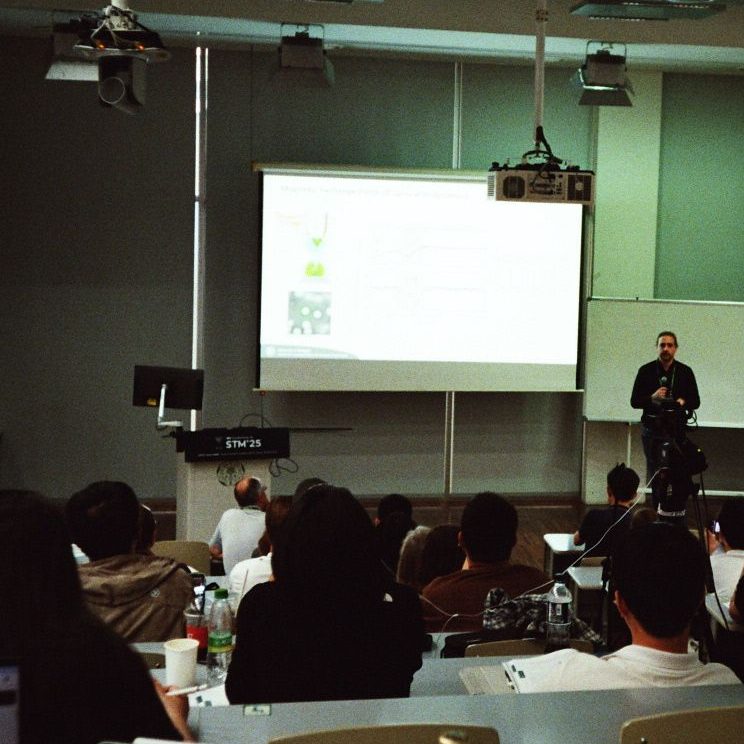
@Kurt Lichtenberg (Analog Photography)
Defining Together
Defining the next frontier means putting established leaders and emerging researchers into the same conversations across all focus sessions. Beyond that, a dedicated career track at STM'27 ensures the next generation has a place on the program, not just in the audience.
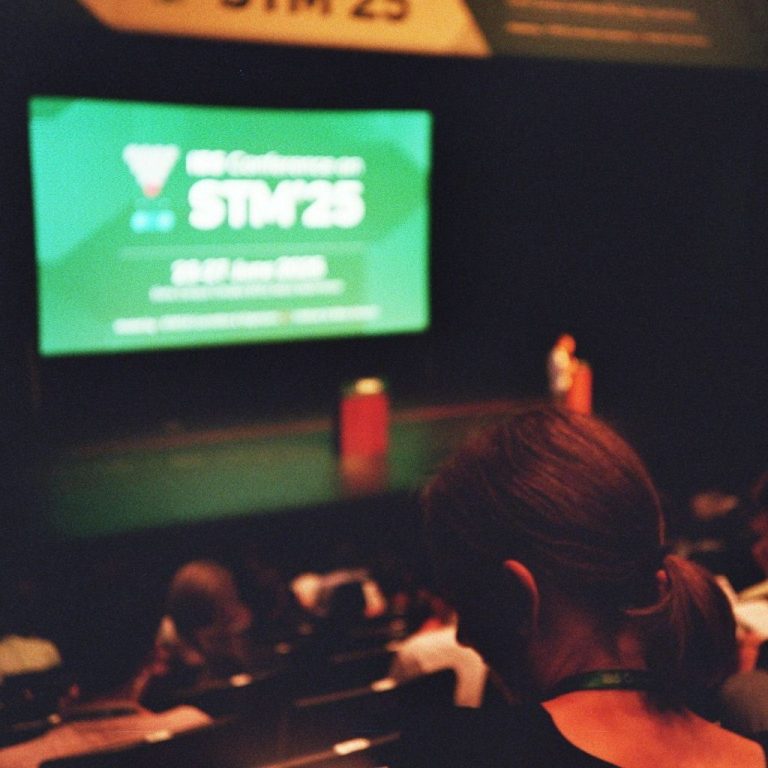
@Kurt Lichtenberg (Analog Photography)
Continuing Excellence
Building on the success of STM'25 in Seoul, STM'27 continues the revitalized conference series that brings the scanning probe community together every two years. The next chapter of a tradition still being written.
STM Conference Series
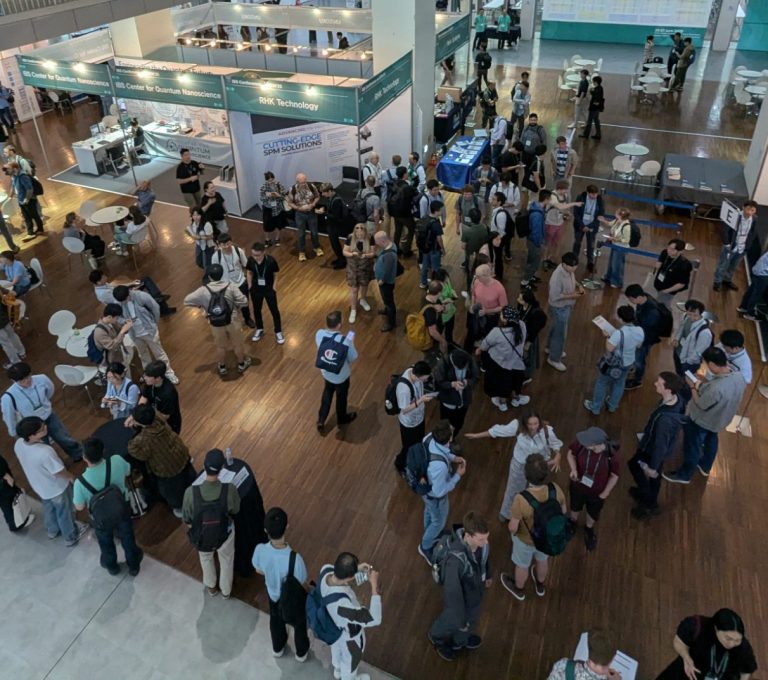
STM'27 is part of the prestigious STM conference series, following STM'25 in Seoul. The series is guided by an international Steering Committee of recognized experts who provide long-term oversight and strategic direction. This distinguished committee ensures continuity and quality across all conference editions, including leading scientists from institutions worldwide serving staggered six-year terms. The committee also stewards the prestigious Eigler Award in partnership with the American Physical Society's GIMS unit, maintaining the highest scientific standards while fostering community growth.